

Blitzl Communication & Passenger Assistance Platform
An Immediately Deployable, Extensible Digital Communication Layer for Transit Modernization
Blitzl is a patent-pending software-and-hardware platform that turns any transit location into a dynamic, two-way, privacy-conscious communication point. Without requiring passengers or staff to exchange phone numbers or personal credentials, Blitzl extends real-time assistance and safety channels across platforms, mezzanines, transfer corridors, and moving vehicles.
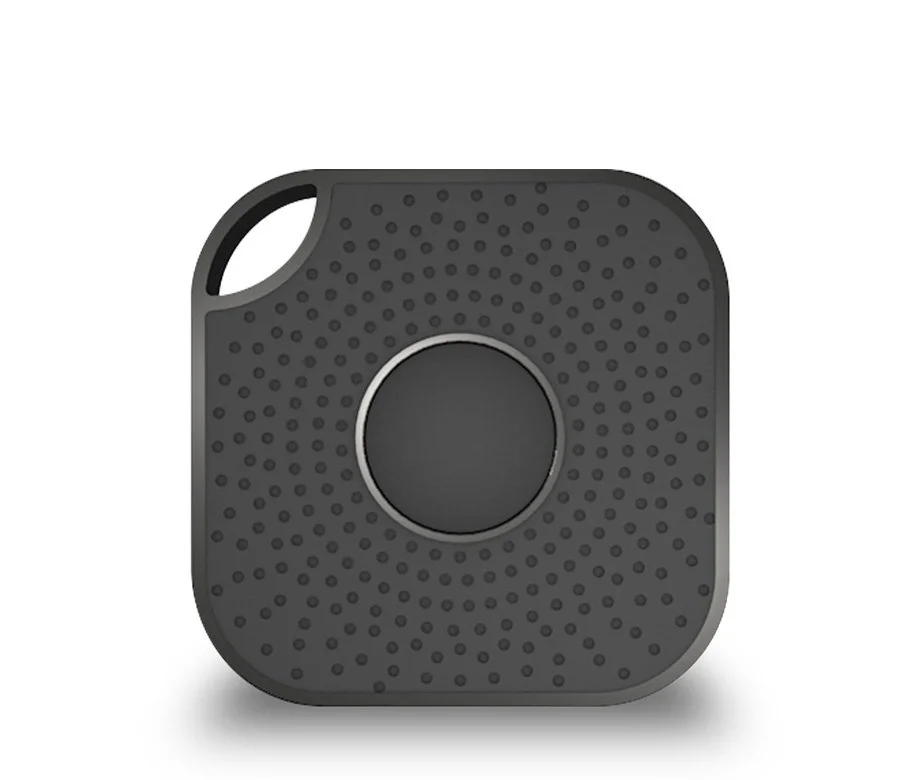
Enjoy a Blitzl subscription for one year including the convenient, compact Blitzer sensor with Blast button. Works with Blitzl app available on the App Store or Google Play Store.

Enjoy a Blitzl subscription for one year including the IP67 Blitzer sensor with Long Range. Works with Blitzl app available on the App Store or Google Play Store.
Key Capabilities
Credential-Free Two-Way "Help Points": Converts rider smartphones into dynamic call points to communicate directly with nearby station personnel. No phone numbers, account credentials, or personal contact details are ever exchanged.
3-Sensor Precision Underground Location Sharing: Allows riders in distress or seeking help to share their location using GPS or context from the 3 nearest Blitzer sensors—delivering precise indoor and underground positioning where standard GPS fails.
IP67 Weatherproof, Long-Life Hardware: Compact, wireless location sensors ("Blitzers") feature an IP67 rating, ~200m Bluetooth range, and 5+ years of battery life—mounting effortlessly via screws, tape, wire, or magnets without electrical or network trenching.
Discreet Safety & Panic Alerts: Features physical "Blast Buttons" on Blitzer sensors and in-app triggers that allow riders and field staff to send instant, silent emergency alerts tagged with exact location metadata.
Targeted Proximity Messaging: Pushes location-specific alerts, status updates, service changes, and crowd management instructions to riders within specific Blitzer zones.
Real-Time Passenger Guidance: Distributes context-rich notifications, service alerts, and safety information based on precise locations.
Streamlined Operations: Directs rider alerts straight to regional transit employees, field officers, or central operations.
Flexible Hardware & Mobile Integration: Low-overhead deployment using compact sensors that pair seamlessly with mobile devices.



Phased Rollout & Deployment Strategy
Blitzl avoids wholesale replacement of legacy assets by offering a low-cost, phased deployment approach that scales across complex subway and bus networks:
Stage 1 — Test Deployment & Validation: Initial testing at high-volume stations with known Help Point coverage gaps to validate hardware, response protocols, and staff workflows.
Stage 2 — Expanded Pilot: Expansion to additional stations, bus routes, or railcars.
Stage 3 — Rolling Line Deployment: Sector-by-sector rollout to manage scale, dynamic schedules, and operational priorities.
Stage 4 — Permanent Integration: Long-term ecosystem integration across the network.


Or scan this QR Code to get the App from the Apple App or Google Play Store

Frequently Asked Questions (FAQ)
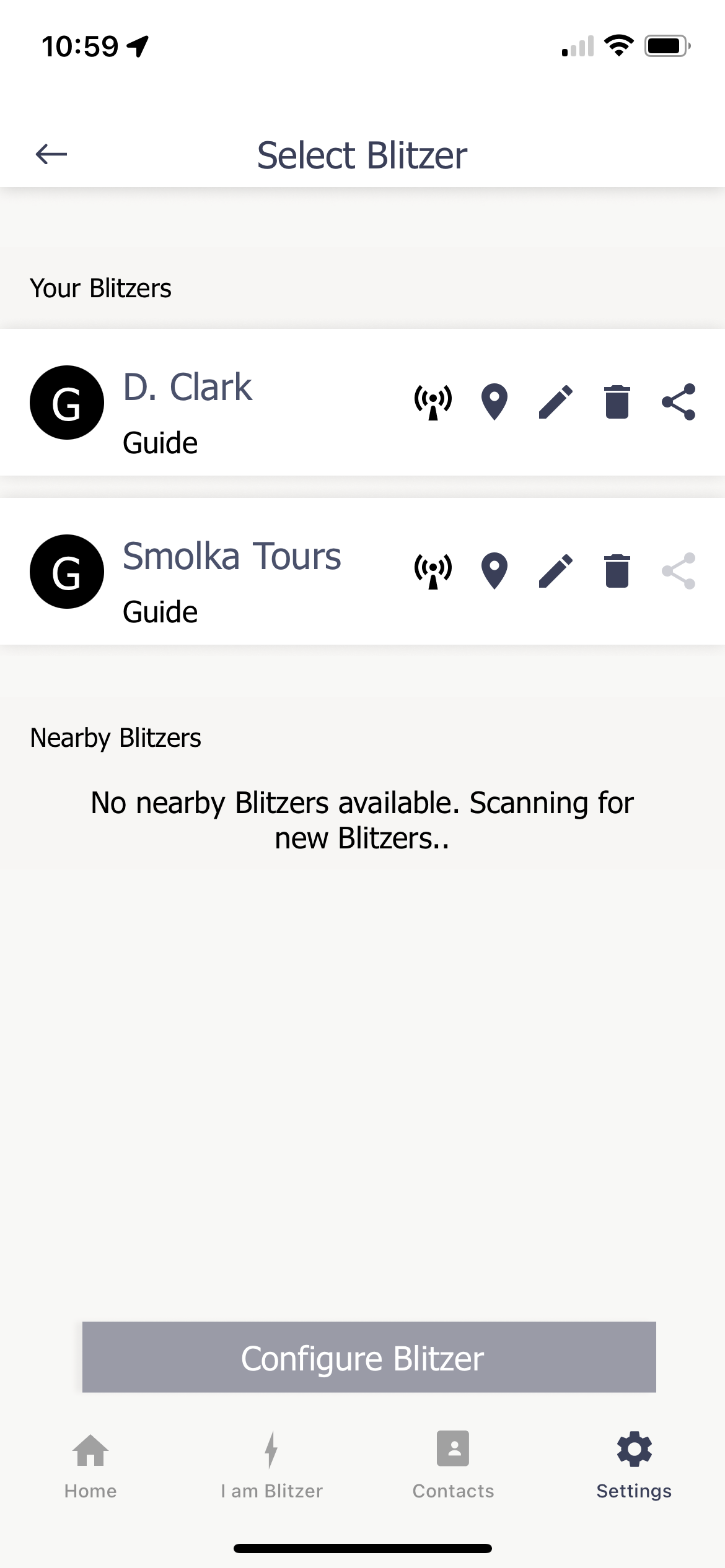
What is Blitzl and how does it work? Blitzl is a mobile-first proximity communication and passenger assistance platform. It pairs a free mobile app (iOS and Android) with compact, battery-powered wireless sensors (Blitzers) that automatically establish location-based two-way communication channels when riders or staff are in range.
How does Blitzl improve passenger safety and assistance? Blitzl allows riders to send instant help requests and location-specific alerts directly to regional transit personnel, field officers, or central operations. It also enables transit operators to broadcast context-rich notifications and safety updates based on a passenger's precise location.
How does Blitzl protect passenger privacy?
Blitzl operates on a strict privacy-by-design model. No phone numbers, email addresses, or personal contact details are ever exchanged between passengers or staff during communications.
How does Blitzl improve accessibility in stations and underground spaces?
Blitzl provides a text-based alternative to audio intercoms and phone trees. It includes a single-tap physical button for low-dexterity emergency requests, shares precise indoor/underground locations via nearest-sensor triangulation where GPS fails.
What are the infrastructure and maintenance requirements?
Blitzl requires zero electrical or network cabling. Sensors run on internal batteries lasting over 5 years and mount using magnets, tape, or screws. Platform management and routing are cloud-hosted, eliminating the need for on-premises agency servers.
What are the subscription and hardware costs for Blitzl? The Standard Sensor Subscription is priced at $59.00/year per hardware sensor, which includes platform connectivity, system maintenance, and ongoing software updates. Custom volume pricing and tiered discounts are available for full-line conversions and system-wide transit authority rollouts.
Important Operating Requirements for Bluetooth Safety Buttons
Please Note: The Blitzl Blast physical button relies on an active Bluetooth connection to a powered on smartphone to transmit information through WiFi and cellular networks to joined users and contacts.
Range Limitations: The system will not function if the smartphone is stored outside of Bluetooth range from where the button is pressed.
Signal Isolation: The system will not function if the smartphone is placed inside a Bluetooth-blocking or Faraday container, pouch, or locker that restricts wireless signals.
Powered On Requirement: The system will not function if the smartphone is turned off.